

Renowned for its stunning biodiversity, Indonesia finds itself at the forefront of global efforts to restore coral reefs. With thousands of islands and an extensive coastline, the country is home to some of the world’s most vibrant and diverse marine ecosystems. As coral reefs face unprecedented threats from climate change, pollution, and overfishing, the urgency to restore these vital ecosystems has never been greater. For those curious about the effectiveness of Indonesia’s coral restoration initiatives, this blog delves into the current situation, the challenges faced, and the indicators of success in these restorative efforts.

Understanding Coral Reef Restoration
Coral reef restoration involves a series of practices to rehabilitate damaged coral ecosystems to their former health and biodiversity. According to the International Union for Conservation of Nature (IUCN), success in coral reef restoration can be evaluated based on several indicators, including the survival rate of transplanted corals, the return of fish populations, and improved reef health. These metrics help gauge whether restoration efforts benefit the ecosystem or offer temporary fixes. Other indicators can also be measured on the socio-economic level, impacting local communities and economies. Successful coral reef restoration should lead to increased fish stocks, which can enhance food security and livelihoods for people who depend on fishing.

Additionally, healthy reefs attract more tourists, boosting local economies through sustainable tourism. This economic uplift can further incentivize communities to participate in and support ongoing conservation efforts. Moreover, restored coral reefs can protect coastlines from erosion, safeguarding homes and infrastructure from storm damage. By integrating ecological and socio-economic indicators, stakeholders can develop a comprehensive understanding of restoration projects’ true impact, ensuring that environmental and community needs are addressed.
The Local Landscape of Coral Restoration
In Indonesia, many restoration projects are driven by local communities or private entities, and some by governmental initiatives. This grassroots approach can lead to spontaneous and innovative methods of coral restoration. However, it also raises concerns about the lack of scientific backing in the initial phases of these projects. Many restoration efforts commence without comprehensive assessments or monitoring protocols, which are crucial for understanding coral reefs’ baseline conditions and measuring restoration activities’ effectiveness.
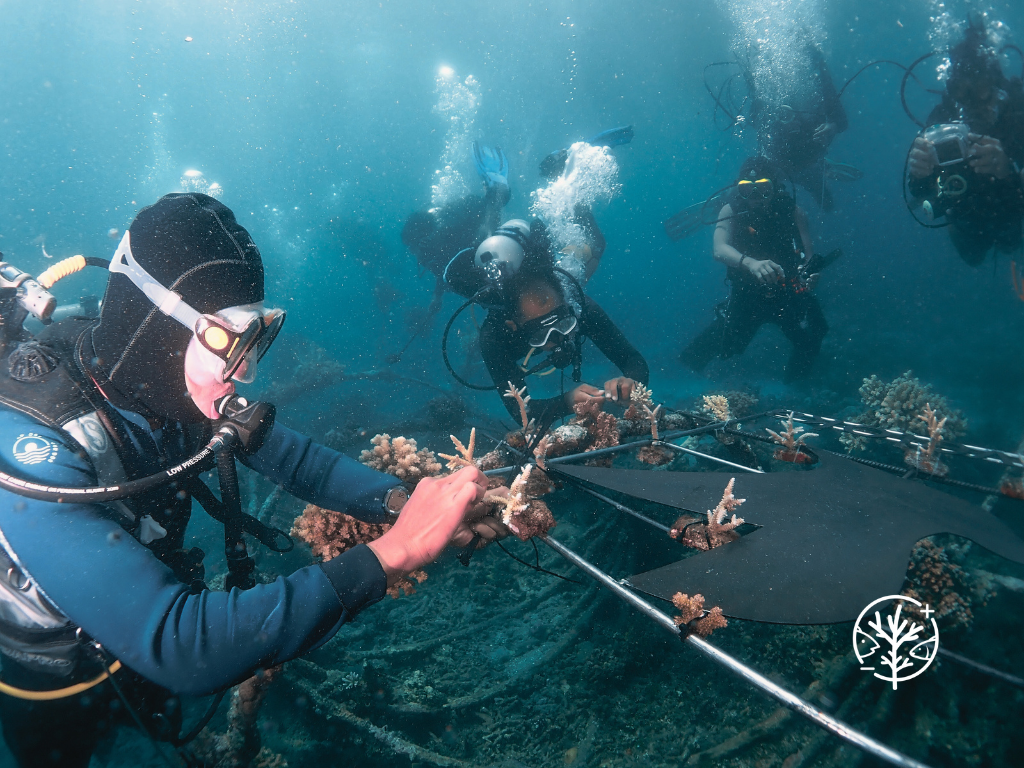
One primary reason for this oversight is the severe funding limitations that many coral restoration projects face. Budgets are often allocated primarily for the construction, installation, and transplantation of coral rather than for the essential pre- and post-project evaluations. Collecting data that would inform best practices and improve future restoration efforts is challenging without adequate financial resources for monitoring and maintenance.
The Data Dilemma
While Indonesian authorities, through the Research and Innovation Agency (BRIN), publish annual reports on the status of coral reefs, the data tends to be broad and lacks specific insights into restoration efforts. This general overview may highlight the health of coral ecosystems collectively but fails to provide details on individual restoration initiatives. As a result, many coral restoration projects operate outside the purview of official monitoring efforts, making it difficult to assess their impact comprehensively.
The absence of pre- and post-project data complicates the evaluation of coral restoration success. Without clear metrics and monitoring, it’s nearly impossible to determine whether Indonesia is making significant strides in restoring its coral reefs. This data gap poses a challenge not only for local communities and project implementers but also for policymakers and stakeholders invested in the sustainability of marine ecosystems.
The Role of Community Engagement
Despite these challenges, initiatives like Biorock Indonesia are making strides in addressing coral restoration issues. Through programs like the Scholar Reef, Biorock involves local youth in monitoring the impacts of restoration efforts. This hands-on approach fosters greater awareness and engagement among younger generations regarding the health of coral reefs and the importance of their preservation. By equipping youth with the tools to gather data and assess the success of restoration projects, Biorock seeks to bridge the gap between scientific research and community action.
Community involvement enhances the effectiveness of restoration and empowers local populations to take ownership of their marine environments. When communities are engaged, they are more likely to invest in the long-term health of coral reefs, creating a sustainable cycle of conservation and restoration.

The Path Forward
The journey towards successful coral reef restoration in Indonesia is fraught with challenges. However, the passion and dedication of local communities, coupled with innovative approaches like those of Biorock Indonesia, offer hope for a brighter future for these vital ecosystems. To enhance the effectiveness of restoration efforts, a few key strategies can be employed:
Increased Funding for Comprehensive Monitoring:
There is a pressing need for funding that supports the physical restoration of coral reefs and allocates resources for scientific assessment and monitoring. Grants and donor programs should prioritize holistic approaches, including pre-project assessments and post-project evaluations.
Collaboration with Scientific Institutions:
Strengthening partnerships between local communities and scientific institutions can enhance the quality of data collected. Collaborative research initiatives can provide the necessary frameworks for assessing the ecological impacts of restoration efforts and informing future projects.
Public Awareness and Education:
Raising awareness about coral reefs’ importance and challenges can mobilize community support and participation in restoration efforts. Educational programs targeting schools and local communities can inspire action and foster a culture of conservation.
Policy Support:
We must advocate for stronger policies supporting coral reef conservation and restoration. Government agencies should be encouraged to develop frameworks facilitating better data collection and sharing, ensuring that restoration efforts are well-informed and strategically implemented.
Conclusion
As Indonesia continues to restore its coral reefs, the journey is marked by challenges and opportunities. While the current landscape of coral restoration may appear fragmented and lacking scientific rigor, there are glimmers of hope in community-driven initiatives and programs that engage the youth. To truly gauge the success of coral restoration in Indonesia, it is imperative to establish robust monitoring systems, foster collaboration between communities and scientists, and secure funding that supports comprehensive restoration efforts. Only then can Indonesia pave the way towards a resilient and thriving marine ecosystem, ensuring its coral reefs continue flourishing for generations.